20 articles
Trip planning

Trip planning
Two nights or three: calculating usable time
Two nights can mean one full day or almost two days at the destination. The useful time between arrival and departure is what matters.

Trip planning
Choosing accommodation by routes rather than distance alone
A central address is not automatically the best base. Assess accommodation through the journeys you will actually make during the visit.

Trip planning
Building a travel budget with room for changes
A travel budget becomes easier to use when fixed bookings, daily spending and a contingency are visible separately. The cheapest individual booking does not describe the total cost.

Trip planning
Judging shoulder season by daylight and opening days
Shoulder season can support a different kind of trip, but it is not one uniform promise. Check daylight, opening days and transport for the actual dates.

Trip planning
Building rainy-day alternatives into a trip
A rainy-day plan works better as a small replacement route than a long list of indoor spaces. It should fit your location, interests and available time.

Trip planning
Planning a multi-city trip without daily packing
You can visit several cities without changing accommodation for every one. Decide which destinations need their own overnight stay and which work from a shared base.

Trip planning
Late arrival: preparing an uncomplicated first evening
A late arrival needs a few well-prepared steps. The first evening does not also have to serve as the first complete sightseeing day.

Trip planning
Coordinating luggage and checkout on departure day
Departure day sits between giving up the room and actually travelling home. A clear luggage route lets you use that interval without jeopardising the final connection.
Trip planning
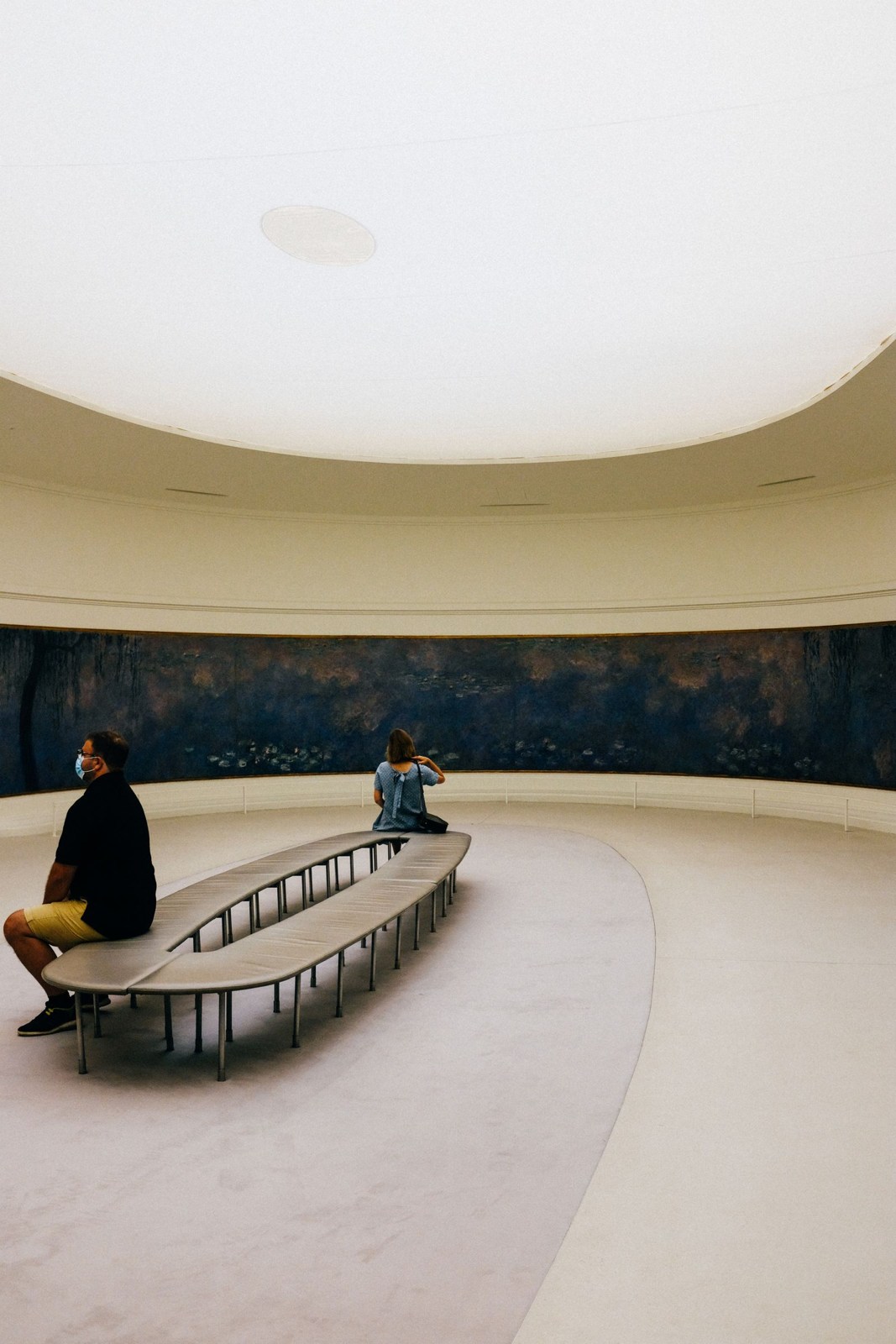
Choosing museums by interest rather than quantity
A museum does not belong in a trip simply because it is frequently recommended. Choose by the collection, style of visit and attention you want to give it.
Trip planning
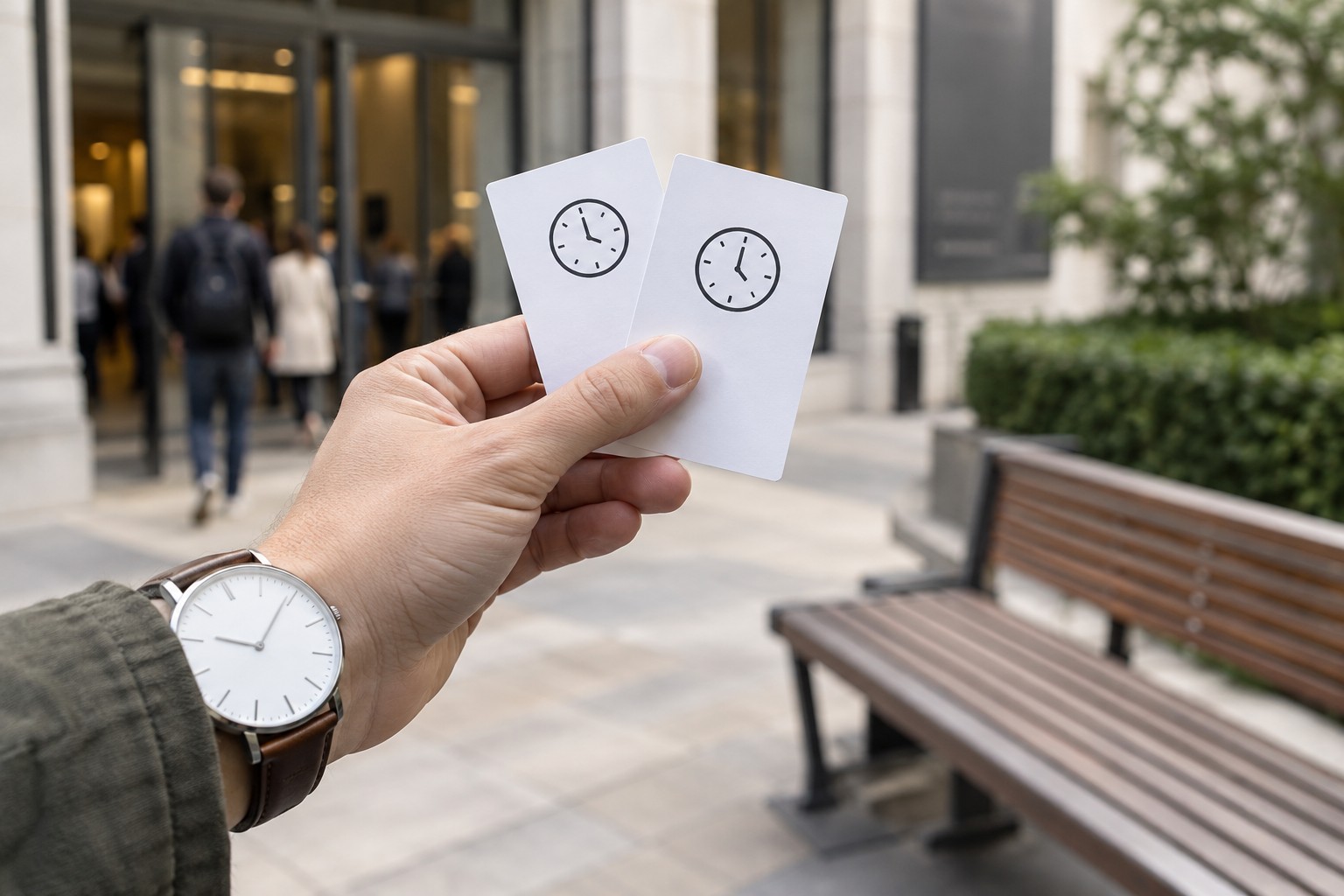
Connecting timed admissions with travel and breaks
A booked time slot is a fixed point in the day. Plan the routes and breaks around it so that reaching admission does not become a race.

Trip planning
Comparing walking tours by route and group size
Two walking tours with similar titles can provide quite different experiences. Route, group size and approach often matter more than the number of landmarks mentioned.

Trip planning
Reading accommodation descriptions for concrete details
Accommodation descriptions become more useful when broad terms are translated into checkable questions. What matters is what is confirmed for your room and your stay.