Connect three points on the map
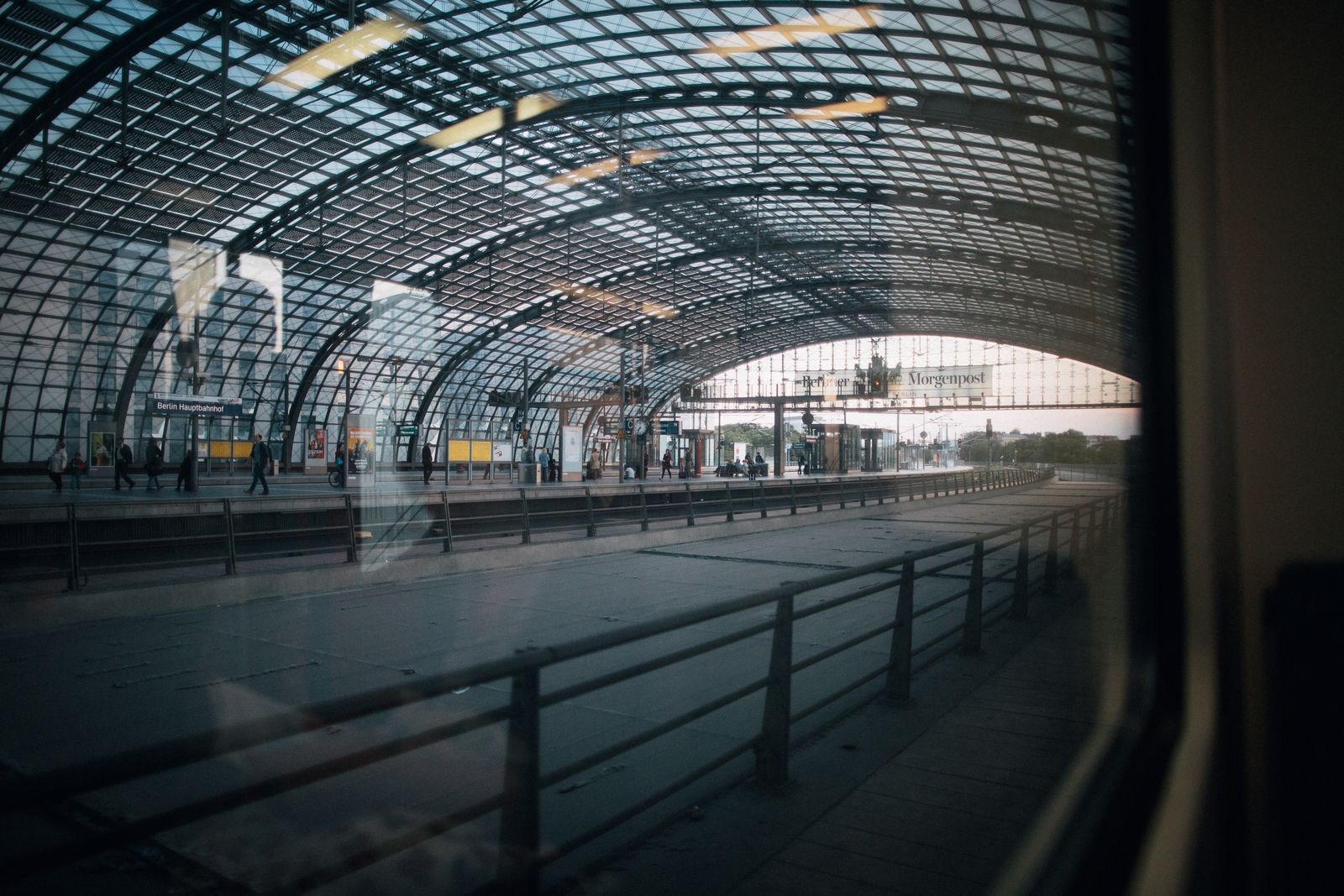
First identify where you arrive, the exit or onward platform you need, and a recognisable point between them. This might be a main hall, information desk or clearly named level. A terminus can work differently from a station served by several platform underpasses. Understanding the building's shape is therefore more helpful than memorising a platform number alone.
Pay attention to level labels. An underground station beneath the mainline station may have its own platform numbering and entrances. Two nearby numbers do not necessarily mean a short walk. Read the map key and distinguish stairs, escalators and lifts before selecting the route you expect to follow.
Official station pages such as bahnhof.de provide orientation maps for many stations. Use information for the exact station concerned. An old screenshot in a travel article may no longer fit construction work or altered access. Save the address of the current station information page alongside any offline image.
Match the exit to the destination
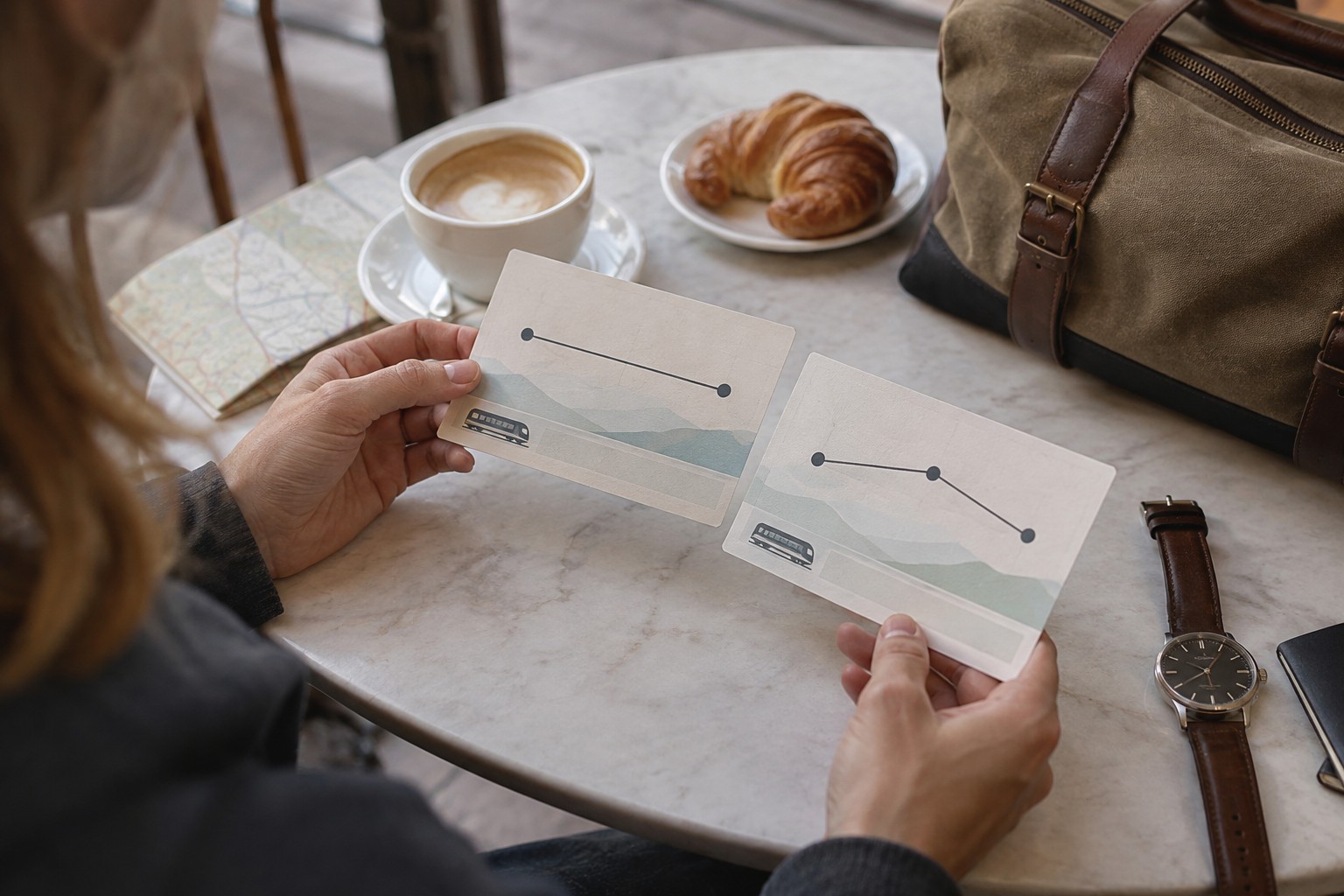
Locate your chosen exit on a street map. Accommodation may be behind the station while signs for the main concourse lead the other way. Check whether a major road, bus station or large square separates the exit from the destination. A straight line from a station icon to a hotel cannot show these additional movements.
When meeting someone, name a precise meeting point. At the main station is too vague for a large building. An exit identified by its street is easier to distinguish than a shop with several branches inside the station. Agree whether the meeting point is inside or outside, particularly if people will arrive using different modes of transport.
Save only the information you need
A useful offline crop includes the relevant platform area, connecting route and exit. Avoid zooming so closely that the relationship between them disappears. Add a short note of the next service or destination address. You can then follow the route without repeatedly switching between images while handling your luggage.
Current signs and announcements take precedence on the day. After leaving the train, compare the platform and nearest landmark with your saved plan. If an entrance is closed, follow the signed alternative or ask for help. The map prepares you for the building; it should not encourage you to keep following a route that is visibly closed or unsuitable.