Divide the journey into ticketed sections
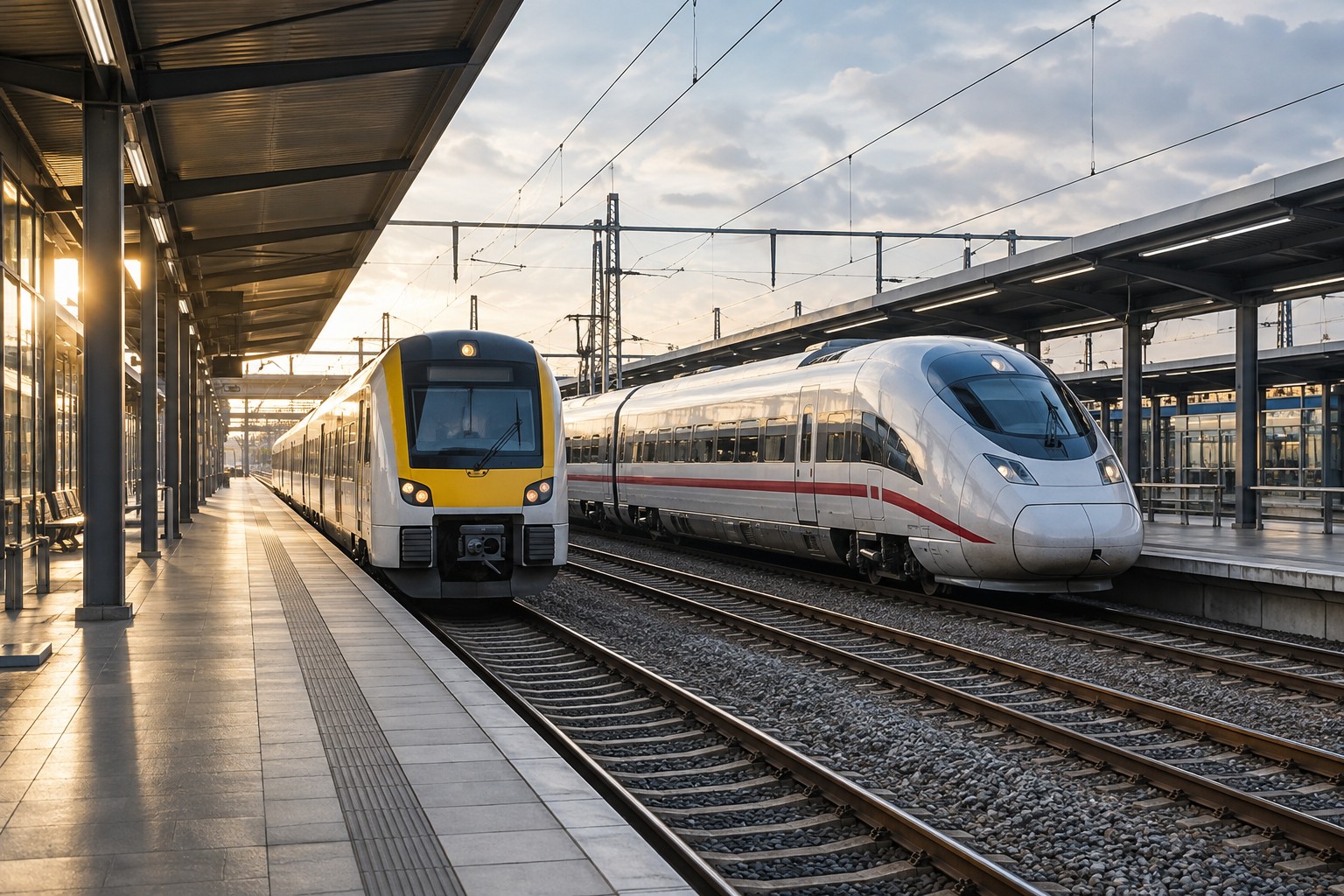
Write out the entire journey and mark the point where you move from local transport to a long-distance train. Then check the actual validity of tickets you already hold. A local day ticket or Deutschland-Ticket may cover part of the approach, but that does not automatically include the ICE you plan to take afterwards.
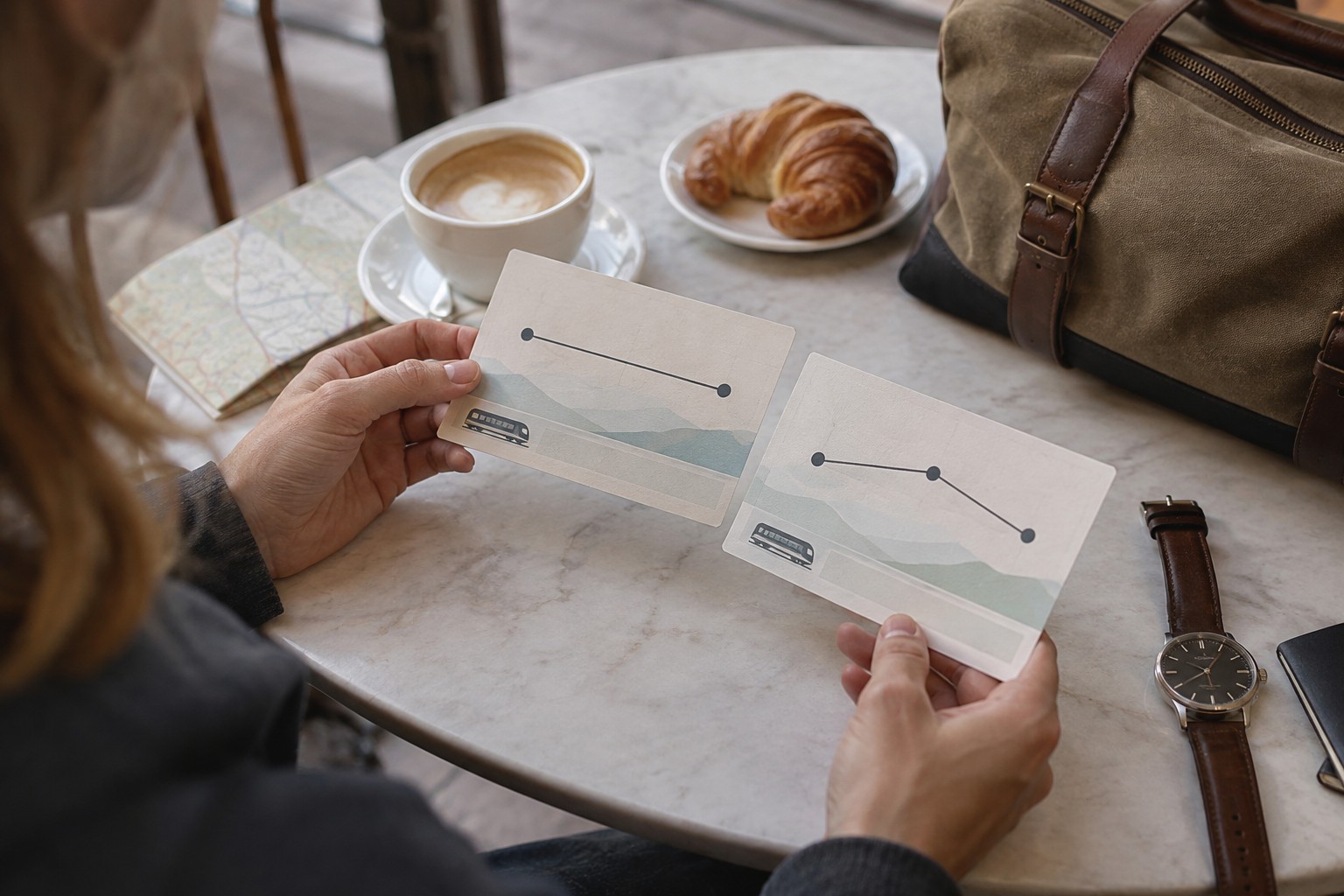
DB distinguishes the local section covered by a Deutschland-Ticket from a separately purchased long-distance journey. Those separate tickets do not simply become a through booking when connection questions arise. Compare an available through fare with the separate combination rather than looking only at the lower amount shown during the purchase process.
Choose the interchange deliberately
The earliest possible change is not always the most convenient. Compare interchange stations by walking routes, available time and later alternatives. An additional short local section might avoid a complicated large station if the timetable and ticket conditions support it. Conversely, a larger station might offer a wider choice of alternative services.
Avoid arranging the feeder train to arrive immediately before a fixed long-distance departure when missing it would have substantial consequences. A reasonable allowance depends on service frequency, station layout and your commitments at the destination. There is no reliable universal number of minutes. Search for an earlier feeder as well and see what that does to your departure from home.
Include the return journey in the comparison. A seemingly suitable evening long-distance arrival may connect with a much thinner local service. Check all the way to the final stop you actually need. The destination printed on the long-distance ticket is not necessarily the end of your travel day.
Carry out two checks before leaving
First open every ticket and confirm its area, date and any required additional services. Then check the current itinerary, including the regional leg. A saved long-distance booking will not necessarily display every alteration relevant to a separately arranged approach journey. Keep those two tasks distinct so that neither is overlooked.
During disruption, establish permitted alternatives with the provider using the tickets you actually hold. Do not board a different train category simply because a journey search suggests an appealing route. Retain documents and relevant notices in case a later enquiry is necessary. A well-organised combination remains understandable even when one part of the day no longer follows the original plan.