Understand the scale at the city gate
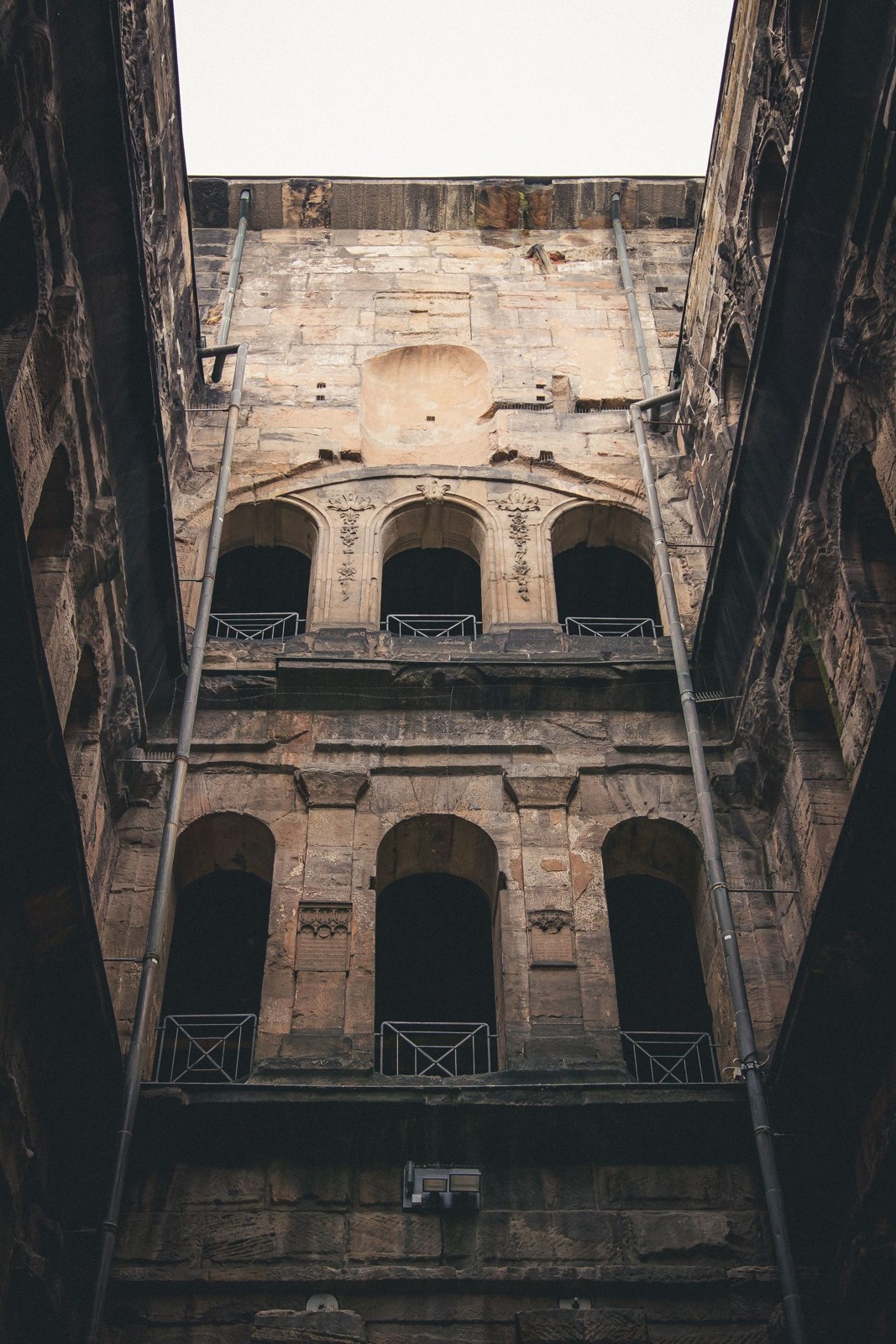
The Porta Nigra is a useful starting point for orientation. Even from outside, a gate invites different questions from a church or palace: openings, wall thickness and its relationship to the street become the focus. If you want to enter, give the visit its own place in the day and check current arrangements. A photograph from across the street is not the same experience, but can be a deliberate choice when time is short.
Continue through the centre rather than treating every building along the way as Roman. Trier is a living city where later architecture stands beside ancient remains. That change between periods helps explain why its monuments are not simply an isolated archaeological landscape.
Consider the basilica and baths together
The Basilica of Constantine and Imperial Baths introduce another theme: power, representation and large building projects. For a short visit, concentrate on a few questions. How large does the space feel? What can be understood from the surviving structure? Which parts remain visible, and which require interpretation to imagine?
An interior, a ruined site and an underground area demand different attention and sometimes different physical abilities. Check specific access information before booking. A general statement that a place is reachable on foot says little about stairs, uneven surfaces or access to individual sections.
The amphitheatre is an extension
The amphitheatre is not immediately beside the Porta Nigra. Check the additional journey and decide whether it fits your day. If Roman entertainment and large public structures particularly interest you, it can become a principal visit. Another indoor attraction can then be omitted.
Heat or rain affects an open site differently from a museum. Carry only necessary day luggage and plan a break. Connecting every Roman location shown on a map is less important than retaining the attention to appreciate one of them properly.
Give the Roman Bridge a river loop of its own
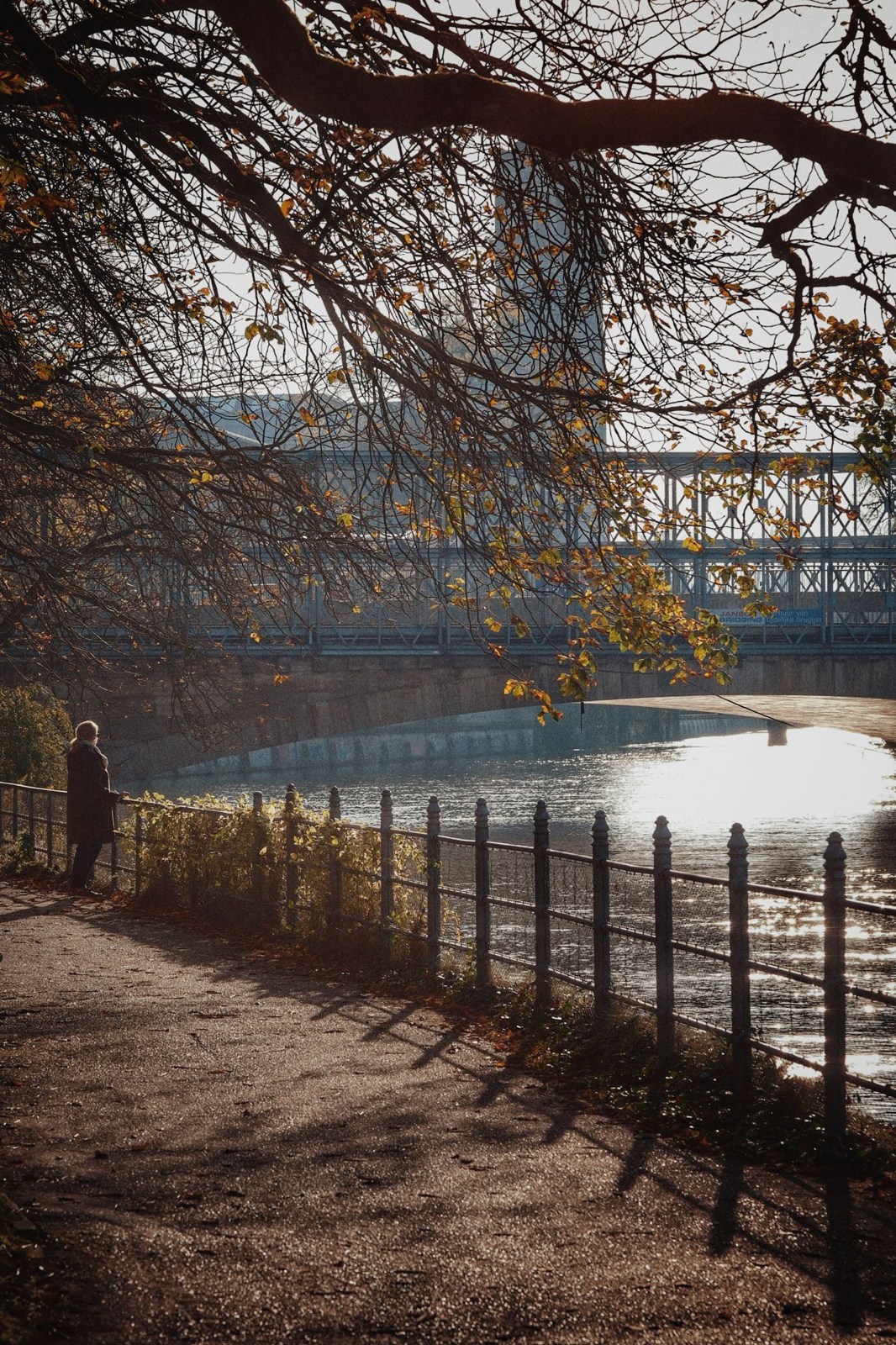
The Roman Bridge and a walk along the Moselle introduce a further perspective. The bridge remains a working transport connection. Choose an appropriate public viewpoint and keep clear of traffic when taking photographs. After a concentrated day of monuments, the river can provide a slower continuation.
Do not automatically add it to the furthest end of every other route. Identify your return to accommodation or a public transport stop. With two days, the Moselle section can be separated from the central monuments; with one day, it is an alternative rather than a compulsory final activity.