Begin with façades rather than checkboxes
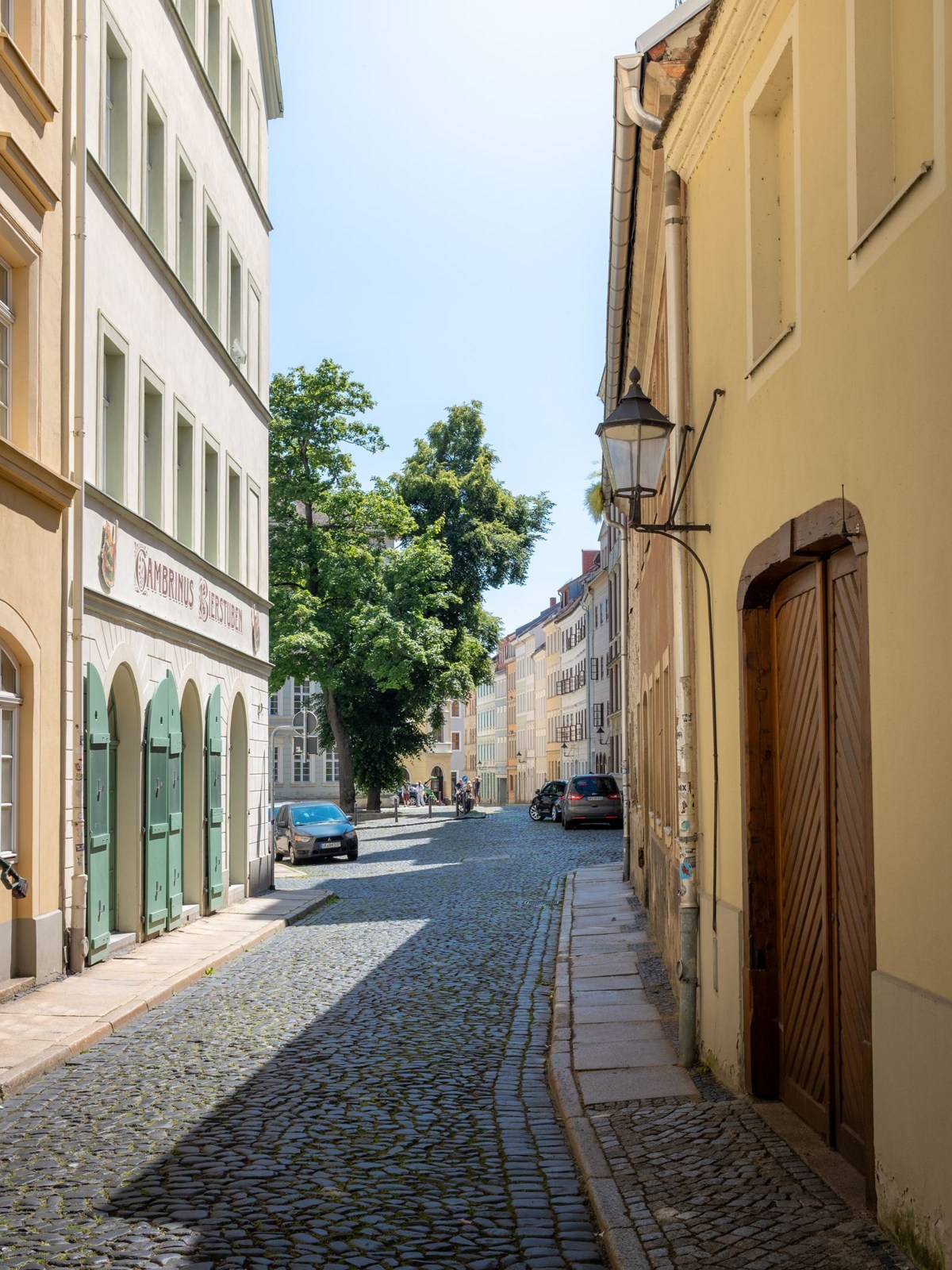
At Obermarkt, first take in the scale of a larger square. Brüderstraße provides the connection towards Untermarkt. Notice the sequence of open square, narrower street and another square. This progression explains the town as effectively as any individual richly decorated building.
At Untermarkt, arcades and façade details justify a longer stop. Select two or three buildings and examine window arrangements, portals and their relationship with the ground floor. You do not need a complete art-historical classification. One specific observation, such as the design of an entrance, often remains clearer than a hurriedly read date.
For more context, a themed guided walk can complement independent observation. Check its content and meeting point, and decide whether architecture, urban history or film locations match your interests. Similar route names do not mean that tours answer the same questions.
Choose interiors deliberately
A courtyard, hall or museum may deepen the exterior views, but is not automatically accessible at all times. Rely on specific visitor information rather than an open door. Some impressive buildings are hotels, shops or workplaces; their daily use is part of the city and also establishes limits for visiting.
Take photographs with a small selection in mind: an overall view, a detail and a transition between streets may be enough for a useful record. This prevents the architecture being experienced mainly through a screen. Follow the rules for interiors, and avoid turning residents into unintended photographic subjects.
Let the river widen the perspective
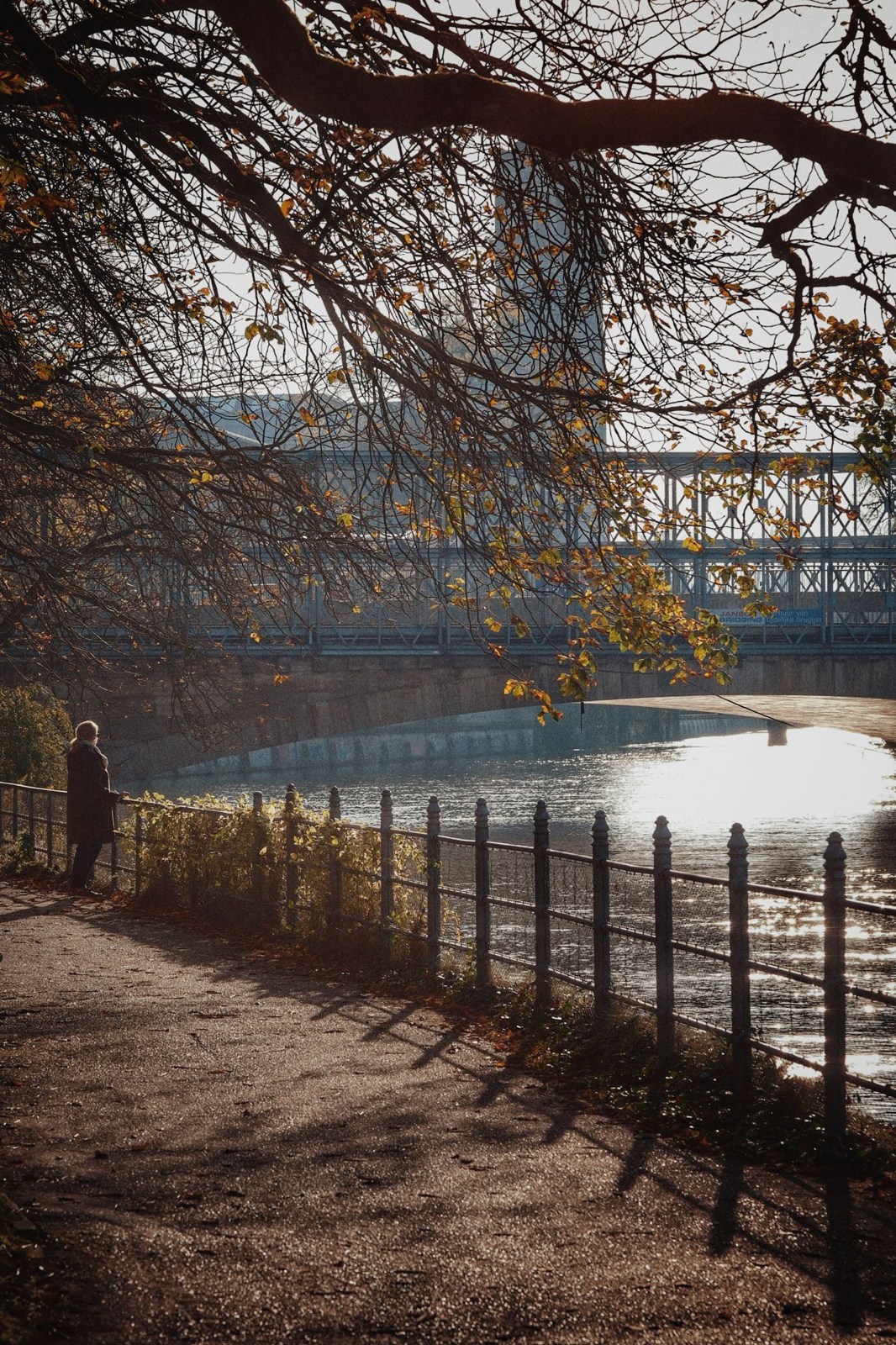
The Neisse introduces distance from the closely spaced buildings. A short route to the river after the old town may be enough to understand Görlitz's position more clearly. If you want to cross the Old Town Bridge towards Zgorzelec, plan that border crossing deliberately and carry the documents required for your own journey.
The extension is not compulsory for a worthwhile architecture stay. In poor weather or with little time, returning to a street previously seen only briefly can be more rewarding. Morning and afternoon light change how façades can be read, so revisiting is not necessarily repetition.
Leave room on the second day for questions that arise during the first. Perhaps you will want another look at a portal or a better understanding of how two squares connect. An open interval supports a trip in which attention matters more than the number of addresses reached.