Ask about individual needs
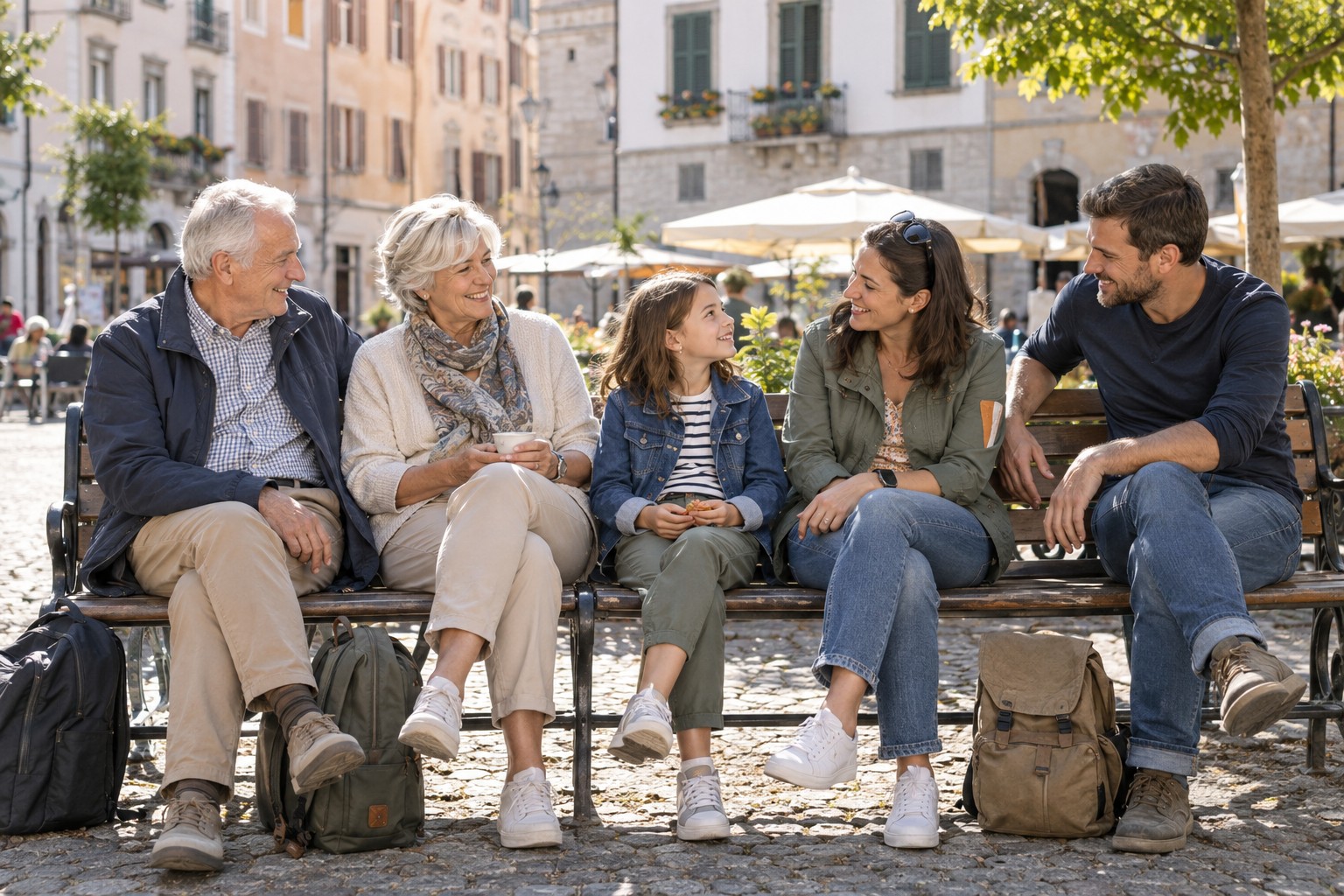
Ask everyone which activities matter and which arrangements would be difficult. Long walks, early starts and extended standing can be experienced differently. Do not infer those preferences solely from age. An older traveller may enjoy longer routes while someone else prefers a shorter day. The plan should reflect the people coming rather than a stereotype of each generation.
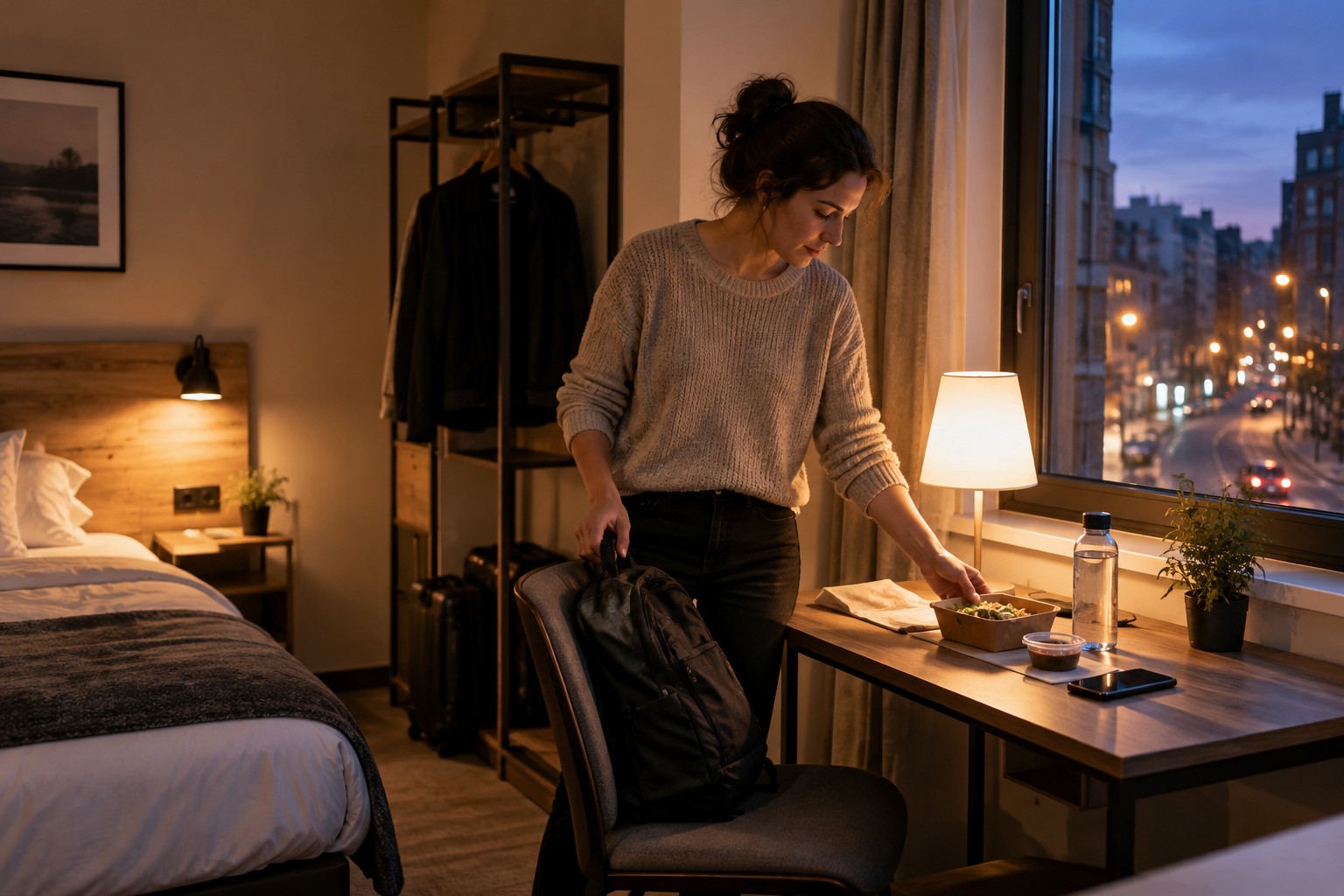
Clarify room, bathroom and access requirements before booking. Essential features should be confirmed for the actual accommodation. Detailed information, such as that offered through Reisen für Alle, can help the search. What remains decisive is matching the information to individual needs and the specific part of the property being booked.
Place shared time around a few anchors
Choose one main shared activity and a meal as anchors for the day. Shorter and longer versions can fit between them. One person may visit another gallery while others begin a break, with everyone meeting later at a clear location. This works better when the arrangement is agreed before entering rather than improvised after people have separated.
Assess meeting points for their purpose. A confusing entrance without seating is a poor place for a longer wait. Agree a recognisable spot, a time and how changes will be communicated. Everyone need not use the same app, provided essential information remains accessible to each person in a form they can use.
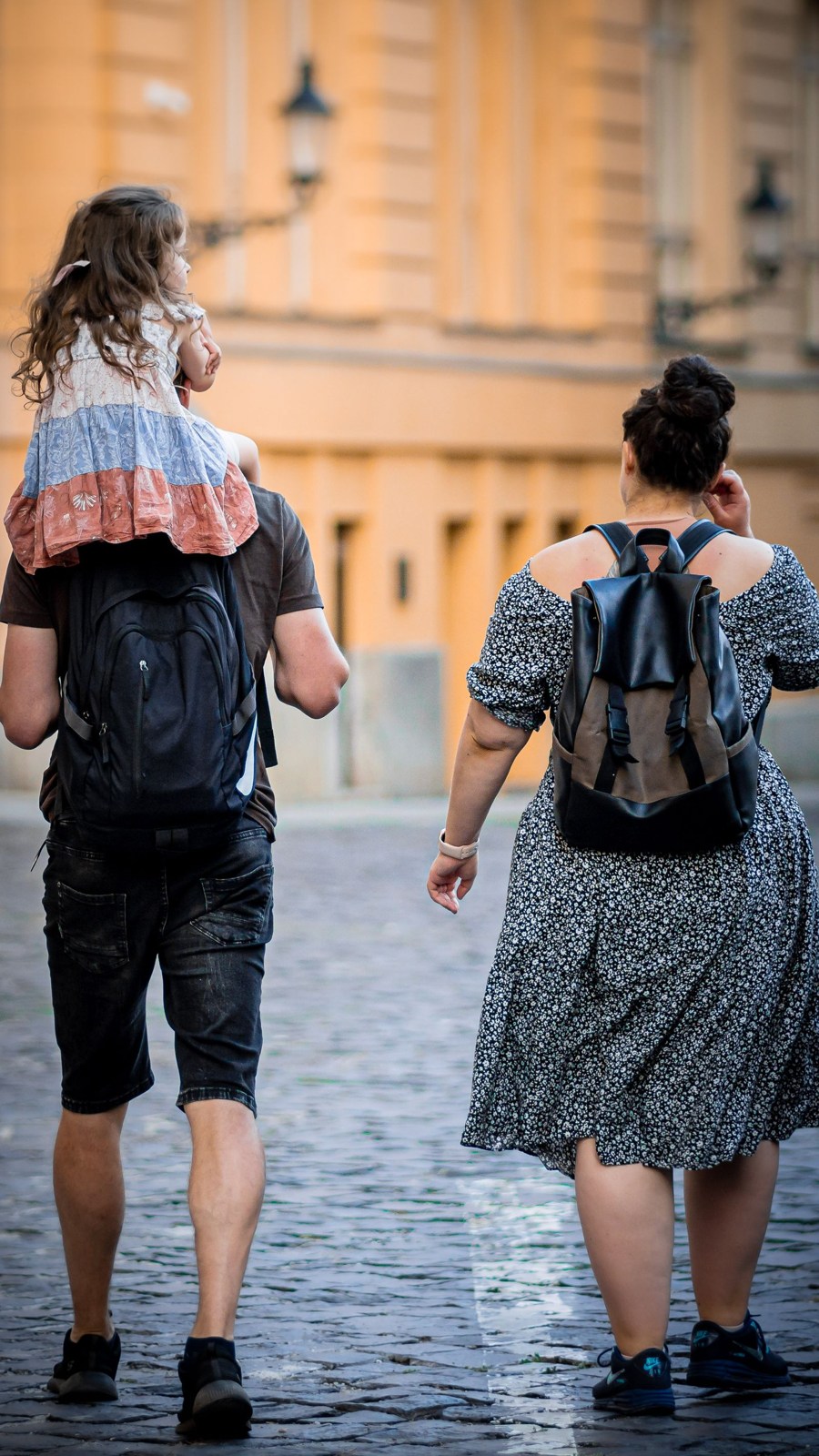
Include the effort of moving as a group. Leaving several rooms, gathering bags and boarding transport together takes time. Do not base transitions on the fastest participant. A simpler direct connection may be more useful than saving a few minutes on board while introducing several changes and repeated luggage handling.
Share decisions and responsibilities
Decide who manages bookings without making that person responsible for every small choice. Share the address, daily outline and important contacts clearly. Anyone spending time independently should know the way back. Travelling together need not create permanent dependence on one phone or one person's ability to navigate.
After the first day, briefly discuss whether the pace and division work. If several people are exhausted, the whole programme may be too dense. If differing interests are the main issue, separate periods may help more. A trip across generations is more likely to work through specific adjustments than through an attempt to make every moment identical for everyone involved.