Put it in the bag when full
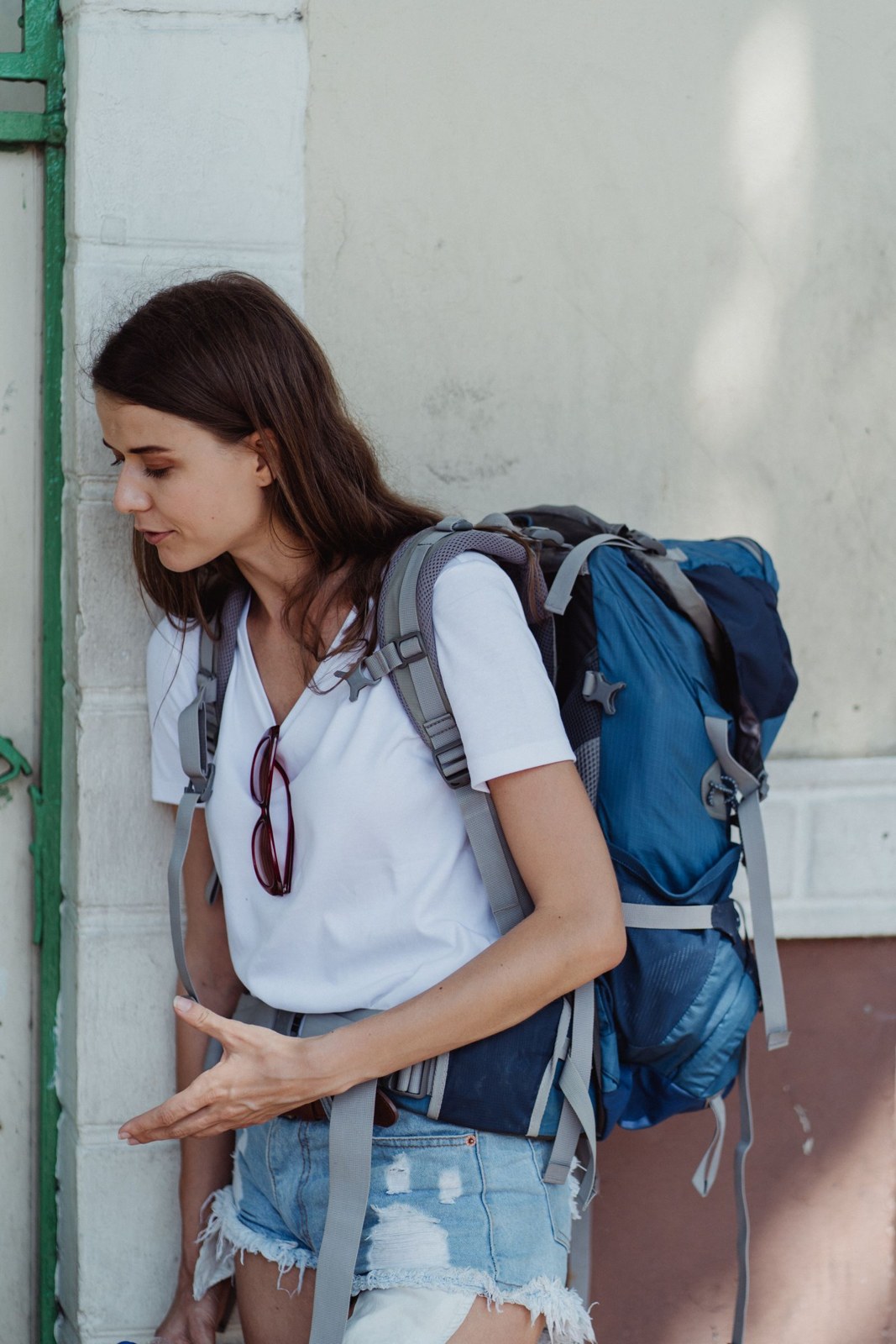
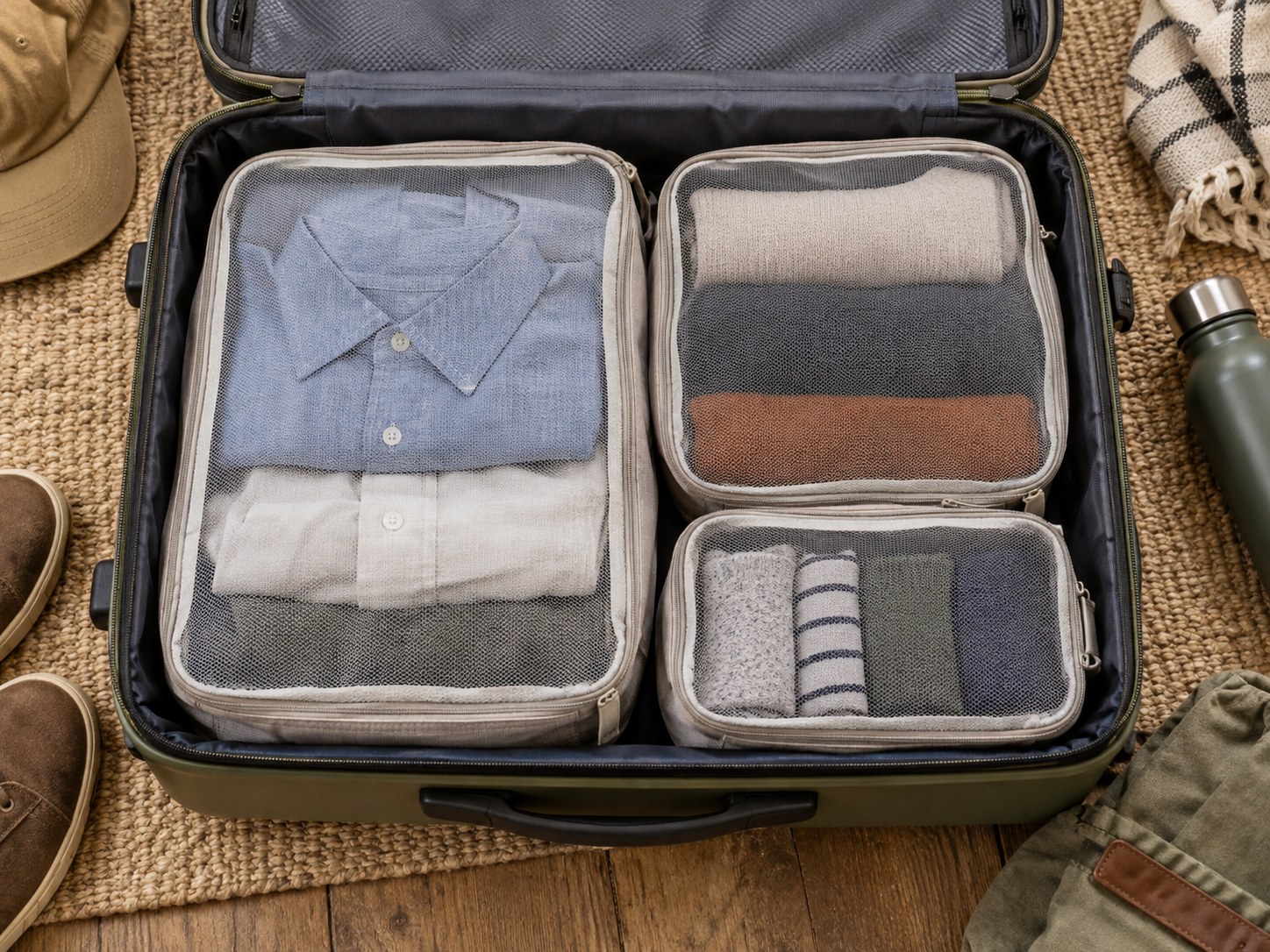
Consider how much you want to carry between reliable refill opportunities. A larger bottle adds weight and needs an appropriate place. Put it in your bag or backpack while full before deciding on a model. Can you remove it without shifting the entire contents? Does the luggage remain stable when you put it down?
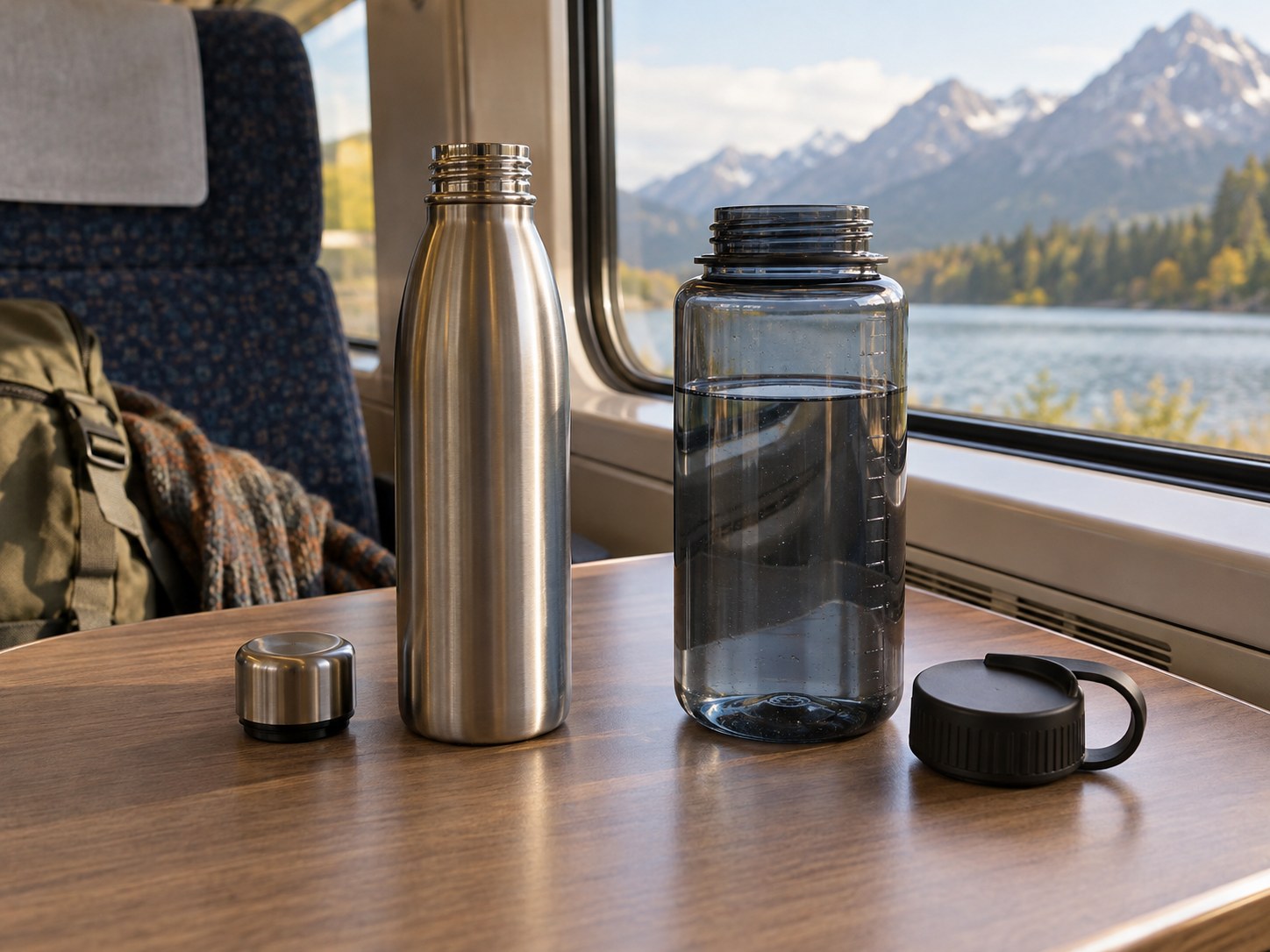
A slim design may fit a side pocket more easily, while a wide opening makes filling simpler. Measure the lid too: a large carrying loop may catch on a narrow pocket. On a train table, also consider how securely the bottle stands. These ordinary movements reveal more than comparing empty bottles on a shelf.
Try the closure
A screw cap works differently from a flip-top or straw closure. Try the handling while also carrying a bag. Additional components may improve convenience but add cleaning tasks. Check which seals the instructions allow you to remove and whether replacements are available. A clever closure is less useful if its smallest part is easily lost during washing.
Test the filled container away from delicate belongings first. Move it as it would move during ordinary carrying. A bottle advertised as leakproof still depends on an undamaged closure being fitted correctly. Avoid placing it directly above paperwork or electronics where a leak would be difficult to contain.
Match the material to the contents
Follow the manufacturer's information for warm drinks. Not every bottle is intended for hot liquids, and an insulated design can retain heat for a long time. Use it only for suitable contents. Transparent material makes the remaining quantity easier to see, while opaque designs may offer other advantages. Decide around your routine rather than treating any single feature as decisive.
Plan where to refill
Do not assume every water point encountered during a trip provides drinking water. Follow local signs and ask when uncertain. Include refill opportunities in the day without relying on one unverified location. Airport security has its own current rules for liquids, so check them before departure rather than assuming that a reusable container creates an exemption.
Clean it after the outing
Clean the bottle and closure according to the instructions and let them dry open. A design with inaccessible corners may become inconvenient during longer trips. After an initial outing, review whether the size matched your needs or simply added unnecessary weight. The right bottle supports the route and breaks you have planned instead of making the whole day revolve around carrying it.