Take Buda's elevation seriously
Begin by deciding how to reach the Castle District and how to leave it. Walking uphill, using public transport and taking the funicular involve different choices. Check the current connection and its conditions instead of relying on the straight-line distance from your accommodation. Travellers with limited energy should not discover the more demanding direction only at the end of a long day.
Within the district, the area around Matthias Church and Fisherman's Bastion can form one focus. You can then spend longer there or continue towards the palace area. A museum visit needs its own block of time; looking at the buildings from outside is a different kind of visit. Decide which interests you before making reservations, rather than treating every interior as a necessary addition.
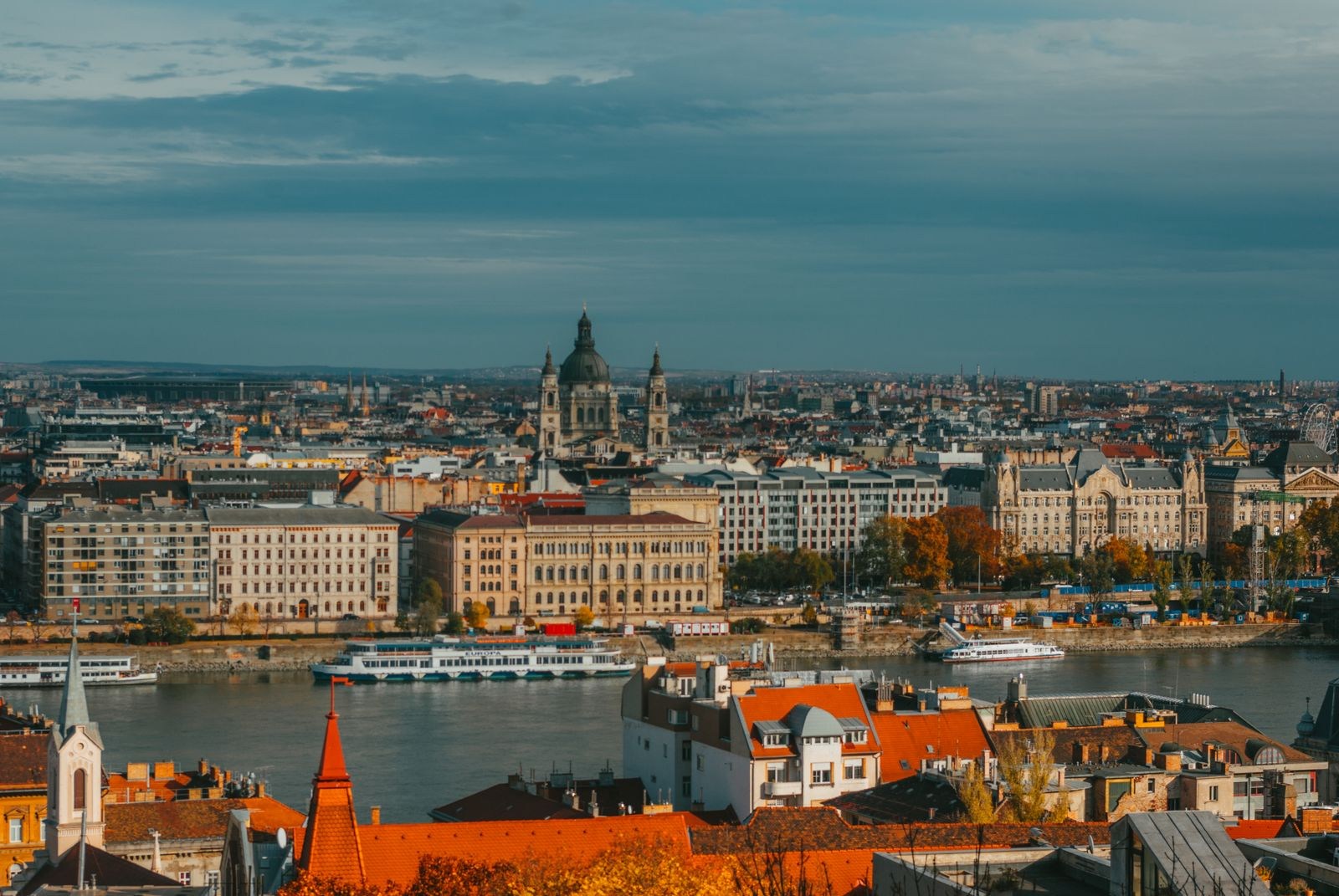
Views across the Danube invite lingering. Leave space for this between fixed appointments. A viewpoint is a reason to pause, not simply a shortcut between attractions. If access matters, check the specific approach to terraces and buildings. Reaching the neighbourhood by transport does not establish that every entrance within it is accessible by the same kind of route.
Divide Pest into smaller areas
On the opposite bank, a walk near Parliament can be combined with another focus in central Pest. For an interior visit, consult the official visitor conditions and available appointments beforehand. An exterior walk does not need the same arrangements. That decision changes how much room remains for streets, squares and a meal later in the day.
The area around St Stephen's Basilica is another useful starting point. The Jewish Quarter, Andrássy Avenue and City Park should not automatically all be added to the same afternoon. Pick a direction according to your interests. During a short stay, one coherent route can be more rewarding than several distant targets that require repeated switches between walking and transport.
Choose a deliberate river crossing
Walking across a bridge can provide an ending to the day. Include it in the route back and check current access. A restaurant on the other bank can also justify a crossing, but brings another journey with it. When choosing accommodation, record both the nearest useful connection and the actual route from that stop to the door.
This division is a planning aid rather than a rigid rule. If the weather is poor on the proposed viewpoint day, exchange the main activities while keeping booked appointments in view. Budapest still feels like a connected city, but each day has a clear direction and fewer journeys made solely to repair an overfilled itinerary.